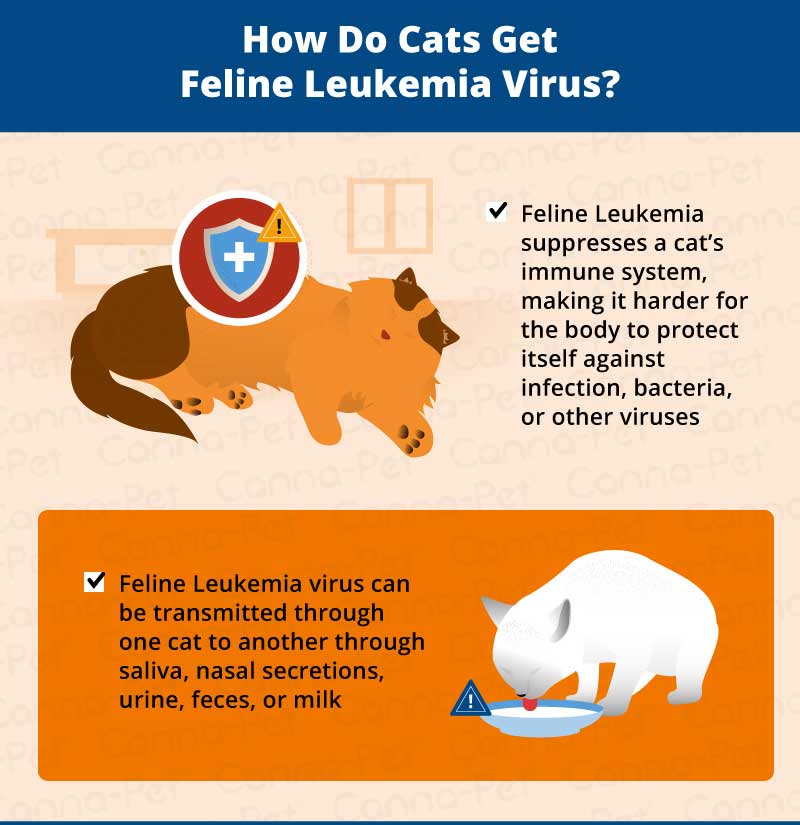
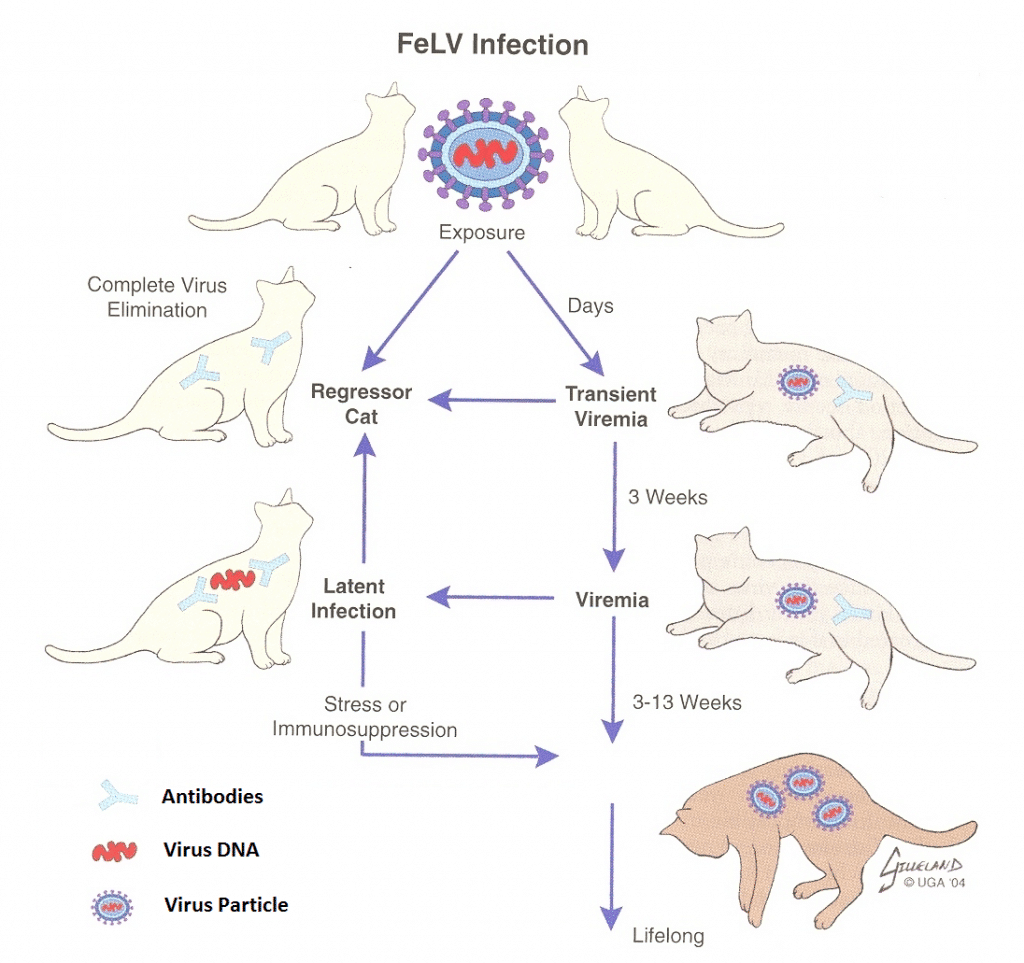
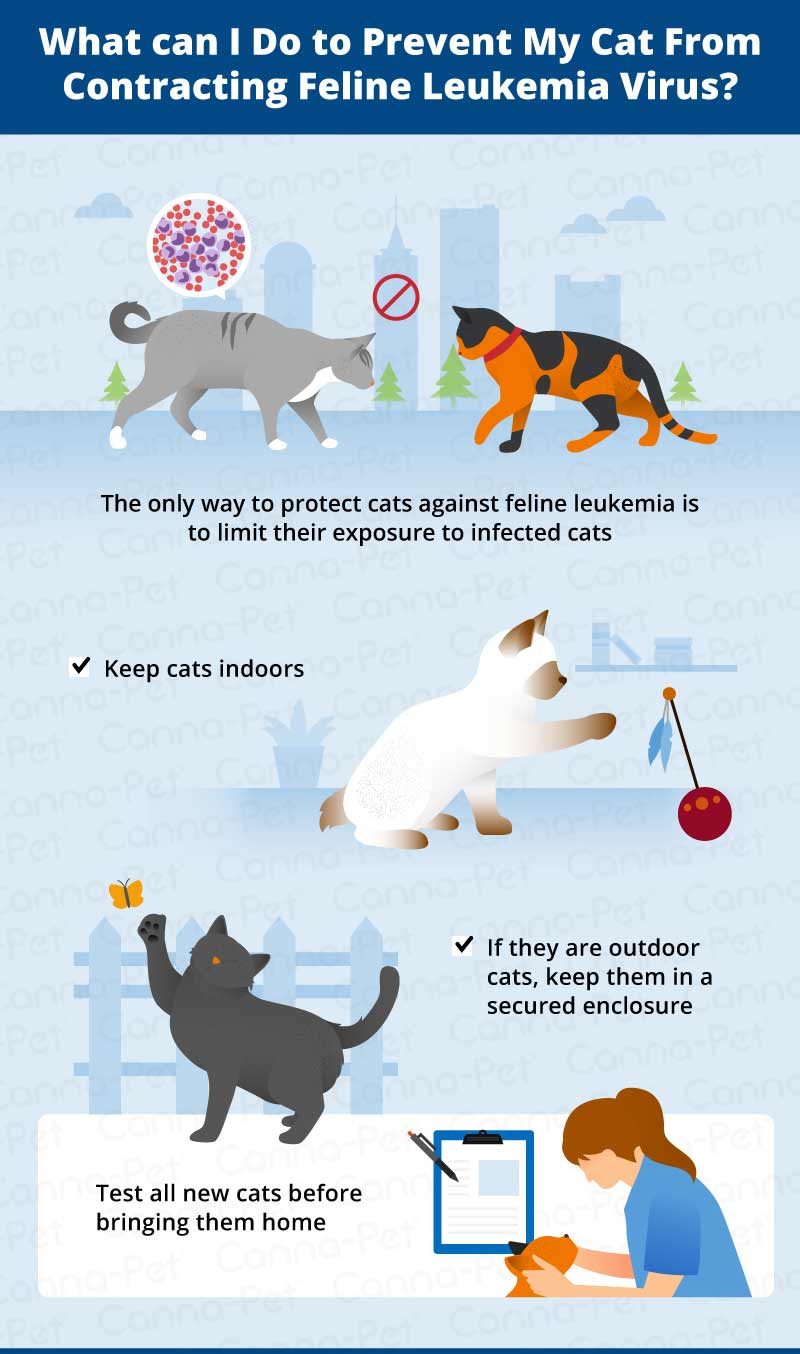
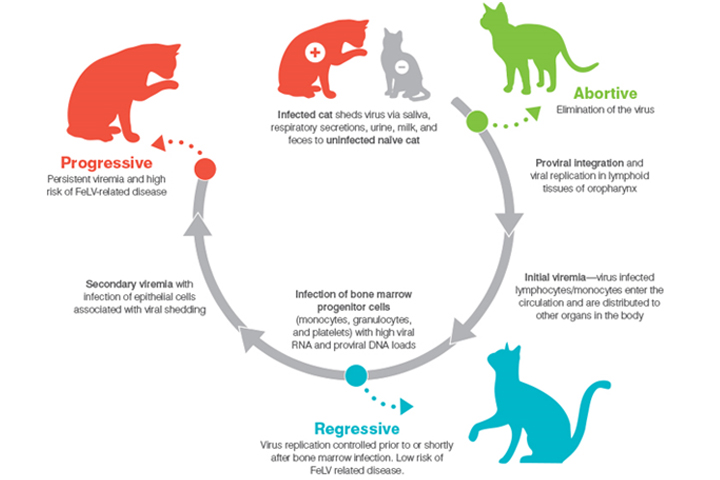
Feline leukemia virus is a retrovirus that infects cats. FeLV can be transmitted from infected cats when the transfer of saliva or nasal secretions is involved.
Major findings. Chronic lymphocytic leukemia in dogs and cats: the veterinary perspective. Use of PAAR in feline lymphoid neoplasms.
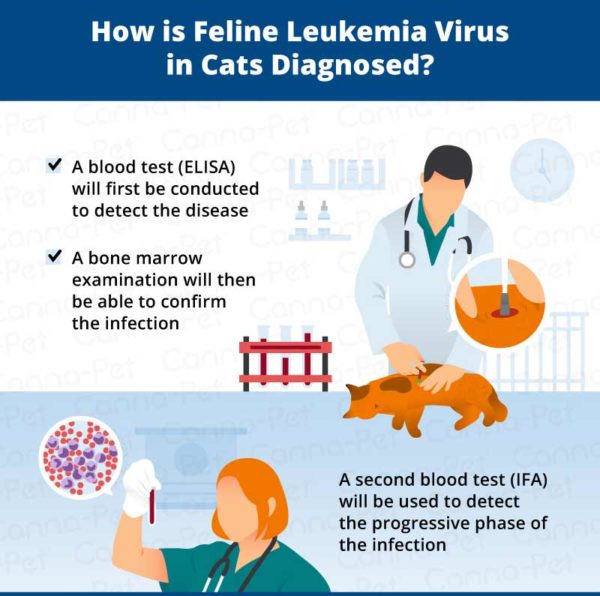
Cats with chronic gingivostomatitis are most likely to benefit from full mouth extraction including complete extraction of all tooth roots. Dental radiography before and after surgical extraction is essential.Feline Leukemia Virus Quantitative Testing. Stage of infection.
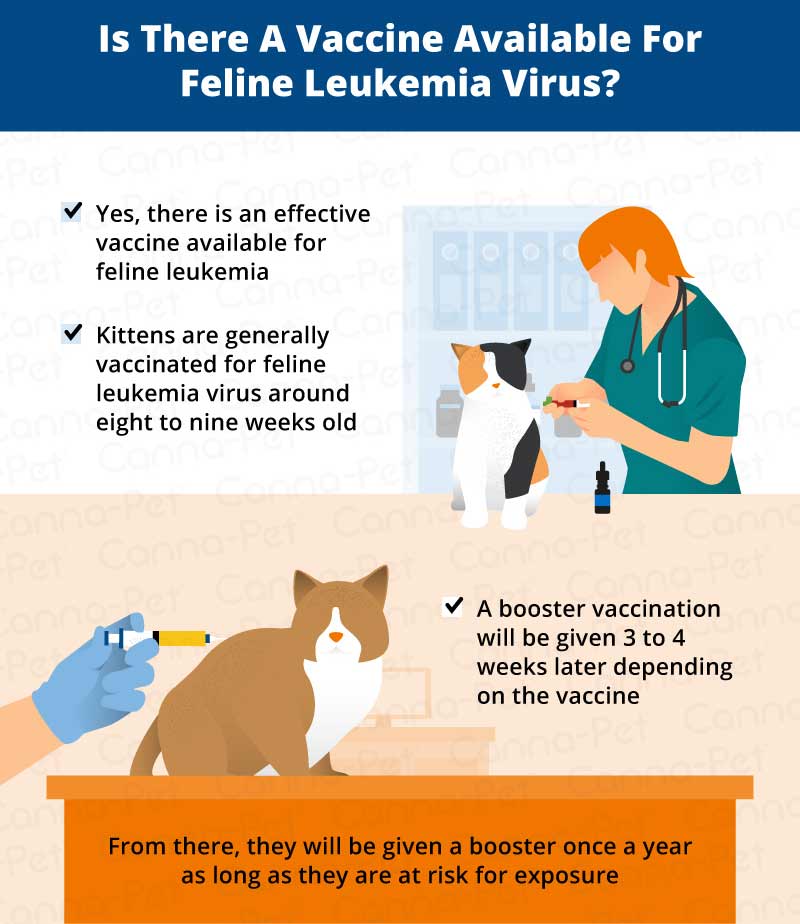
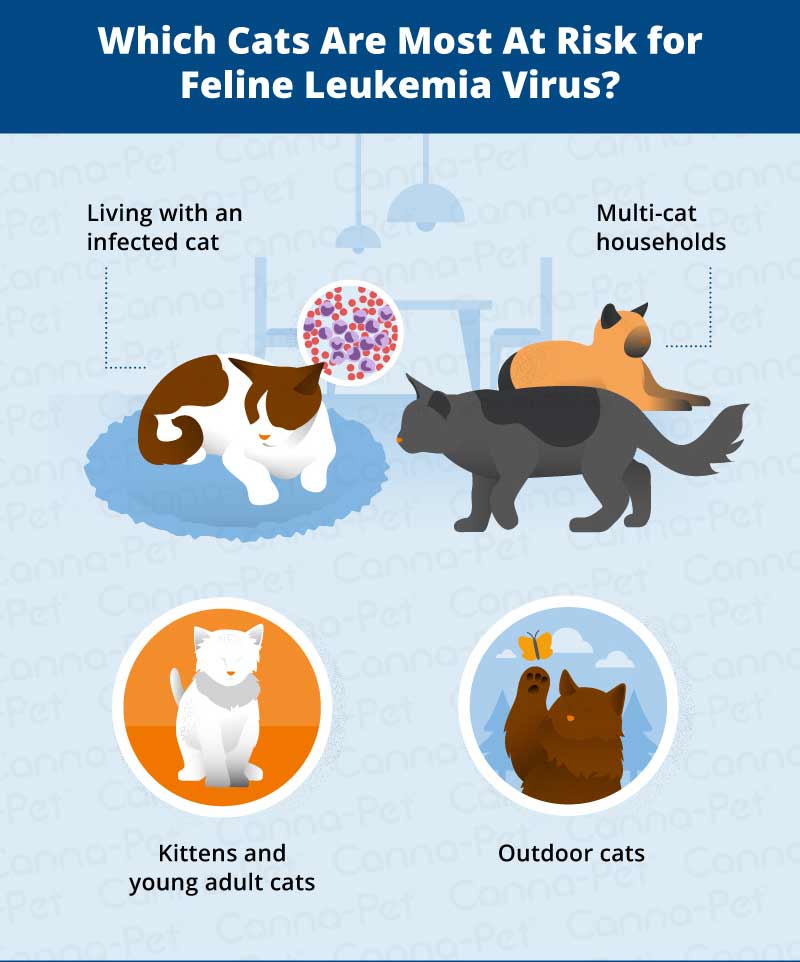
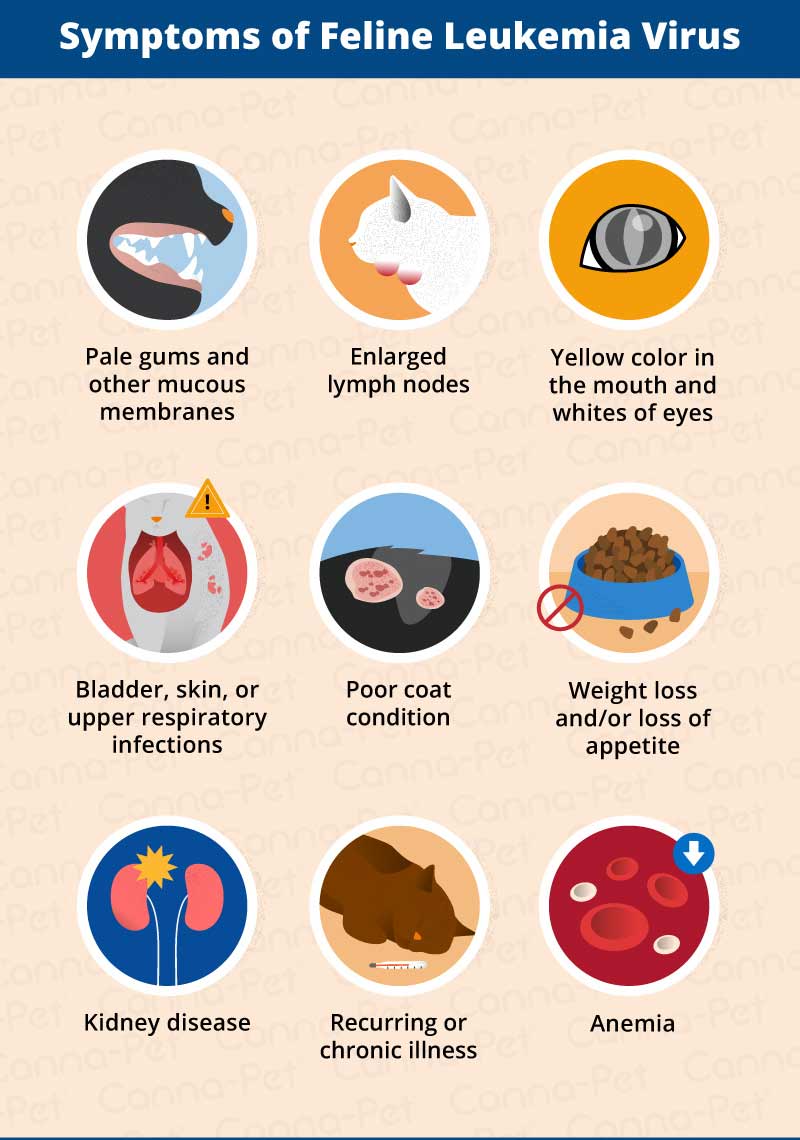
Only about 3% of cats in single-cat households have the virus, but for cats that spend time outdoors, the rate is much higher. Still, the prevalence of FeLV has decreased over the last 25 years because of vaccines and reliable tests. Symptoms of Feline Leukemia Virus.
The lymphocytes were small cells, with clumped chromatin compatible with a chronic lymphocytic leukemia (CLL). This lymphocytosis is too marked to attribute to an epinephrine response (usually < 25,000/uL) and was compatible with a leukemia.

Feline leukemia virus (FeLV) is one of the most common and important infectious diseases in cats, affecting between 2-3% of all cats in the United States and Canada. Infection rates are significantly higher (up to 30%) in cats that are ill or otherwise at high risk (see below).
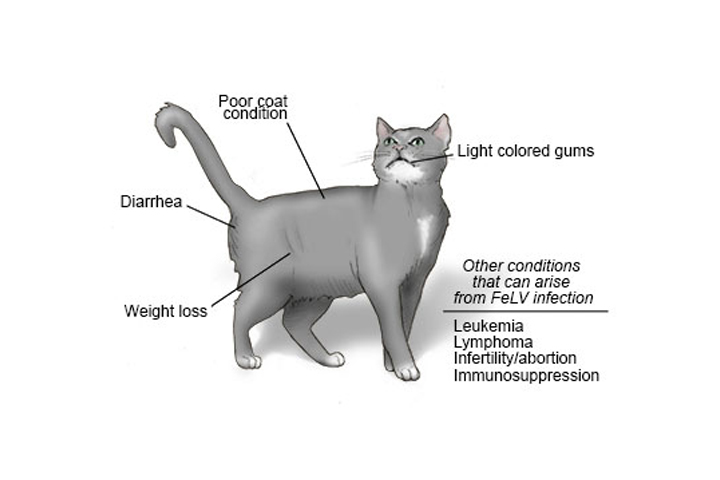
This is the second and more damaging stage of the virus. Have your cat tested if you notice slow, consistent weight loss, pale or inflamed gums, deterioration of fur, chronic diarrhea, seizures, enlarged lymph nodes, anorexia, fever, eye problems, and reproductive problems?

This particular example perfectly highlights why Stages Of Chronic Leukemia In Cats is so captivating.
To our knowledge, this is the first report of chronic eosinophilic leukemia in a cat associated with naturally acquired FeLV infection, in which flow cytometry was used to characterize the neoplastic cells.
The most common form of leukemia seen in cats and dogs is lymphocytic leukemia, because of the involvement of lymphocytes, which are a type of white blood cell. Lymphocytic leukemia can be further broken down into acute (sudden onset) and chronic (long term illness) forms.