Arachidonic acid is a polyunsaturated omega6 fatty acid 20:4, or 20:4. It is a precursor in the formation of leukotrienes, prostaglandins, and thromboxanes.
Most commercial pet foods contain an abundance of omega-6 fatty acids, often exceeding your pets daily requirementseven in formulas that claim to be rich in omega-3s for pets. However, for optimal pet skin and coat health, its essential to restore the proper omega-6 to omega-3 ratio.
Discover the benefits and risks of omega-6 for dogs, and why balancing it with omega-3 is crucial for your pets health.

Moving forward, it's essential to keep these visual contexts in mind when discussing Omega 6 Benefits Pet Owners Use Daily.
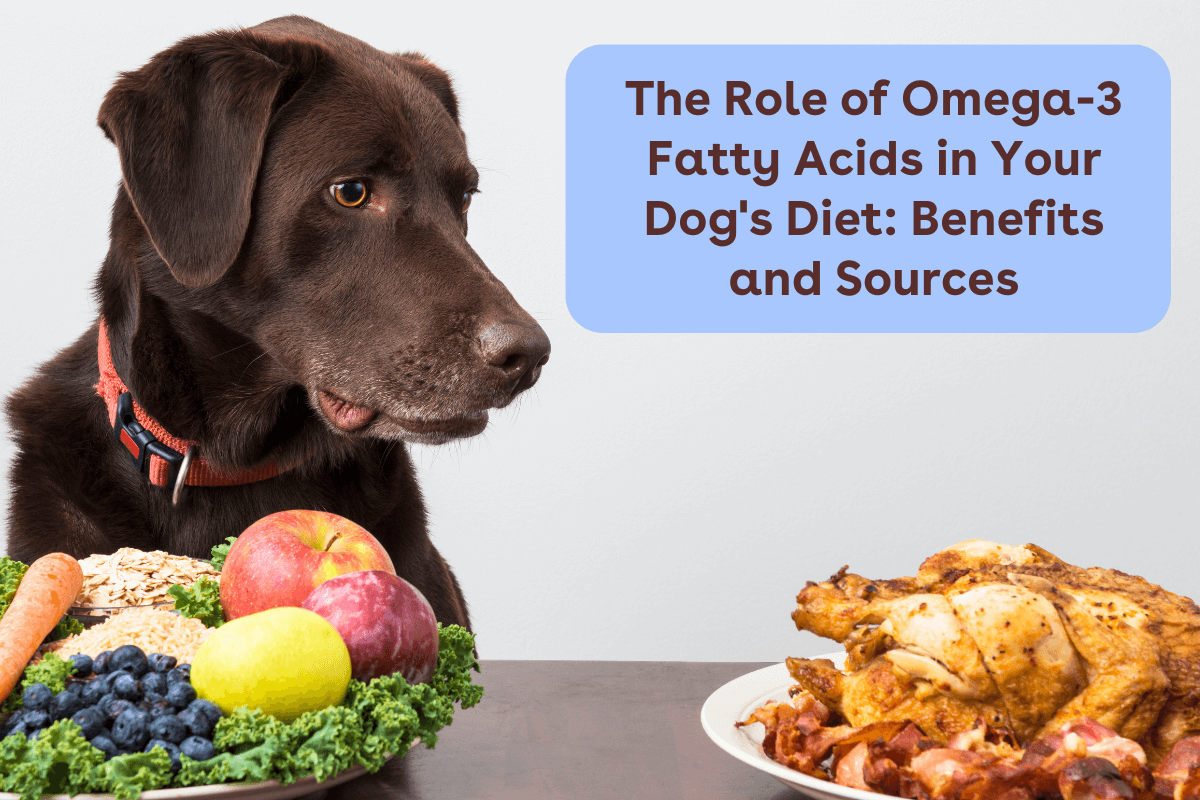
One crucial aspect of canine health is ensuring they have the right balance of omega 3 and omega 6 fatty acids in their diet. These essential nutrients play a vital role in reducing inflammation, promoting healthy skin and coat, and even supporting brain function.
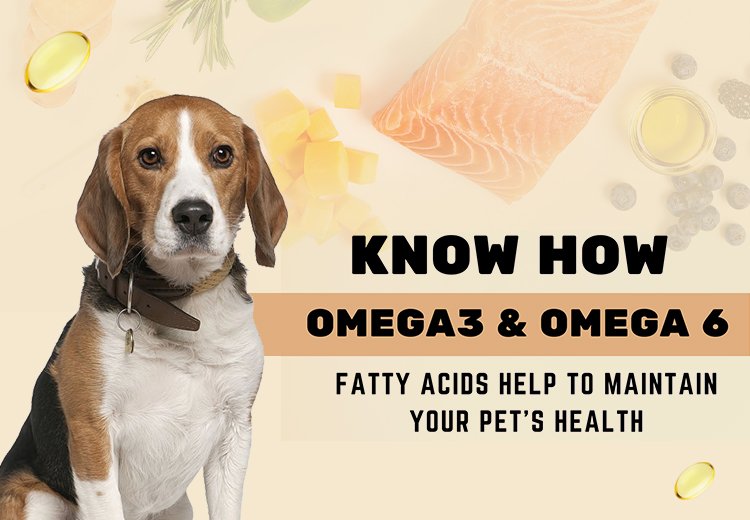
Discover why Omega-3 and Omega-6 fatty acids are crucial in your pet's diet. Learn the benefits and sources of these essential nutrients for dogs, cats, and other pets.

Moving forward, it's essential to keep these visual contexts in mind when discussing Omega 6 Benefits Pet Owners Use Daily.
Omega fatty acids are powerhouse nutrients that play a critical role in your dogs overall well-being. From improving skin and coat quality to reducing inflammation, supporting brain and heart health, and boosting the immune system, these healthy fats are a must-have in your dogs diet.
Omega-6 and omega-3 are both polyunsaturated fats. Studies have suggested a diet high in omega-6 and low in omega-3 is likely to lead to inflammation. A roughly even balance of both is believed to reduce inflammation.

Furthermore, visual representations like the one above help us fully grasp the concept of Omega 6 Benefits Pet Owners Use Daily.
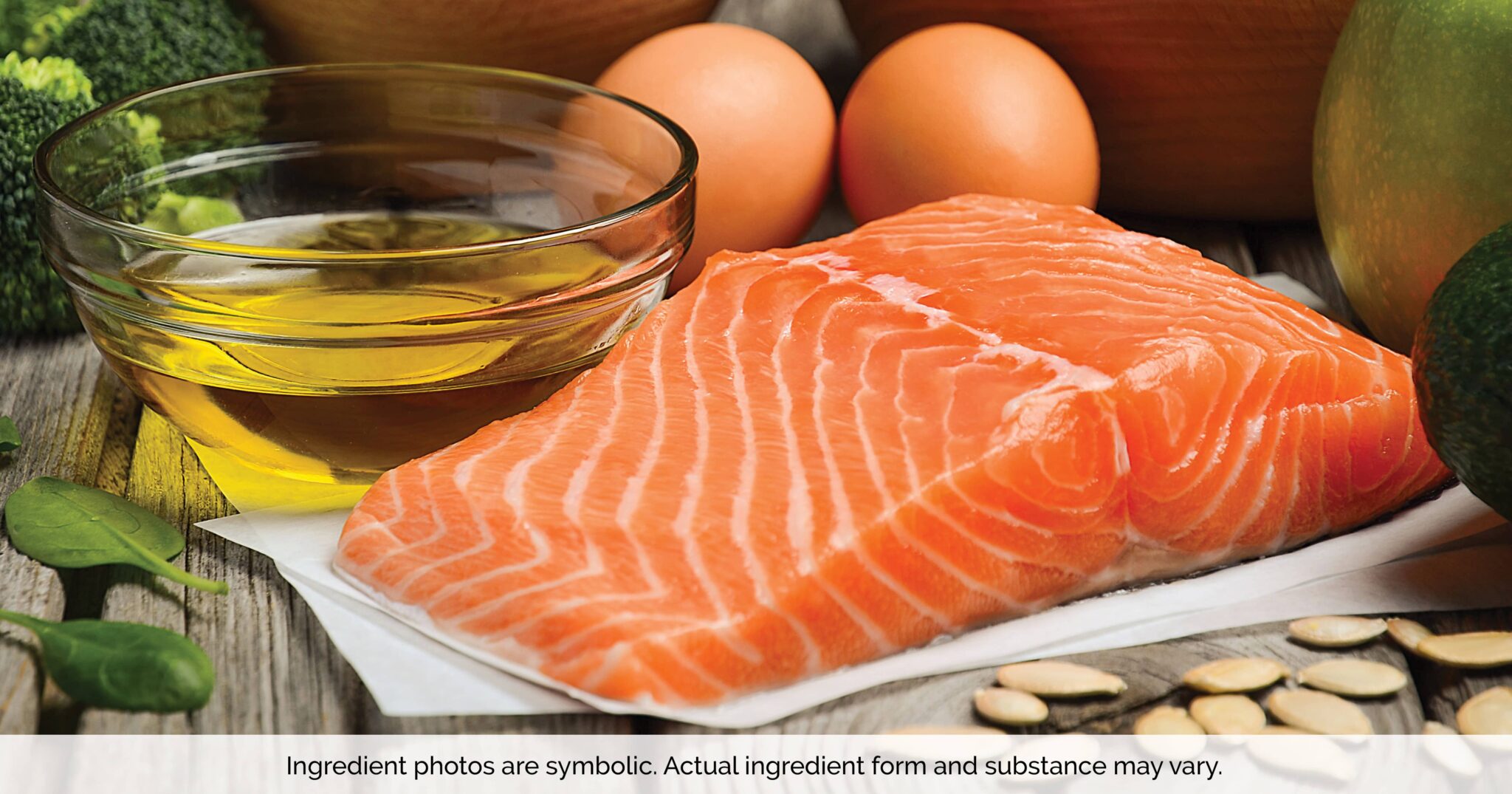
Benefits, Sources, and Ratio. . Omega-6 is a type of polyunsaturated fat that your body needs but cannot make on its own. The most common form, linoleic acid, is abundant in vegetable oils, nuts, and seeds.