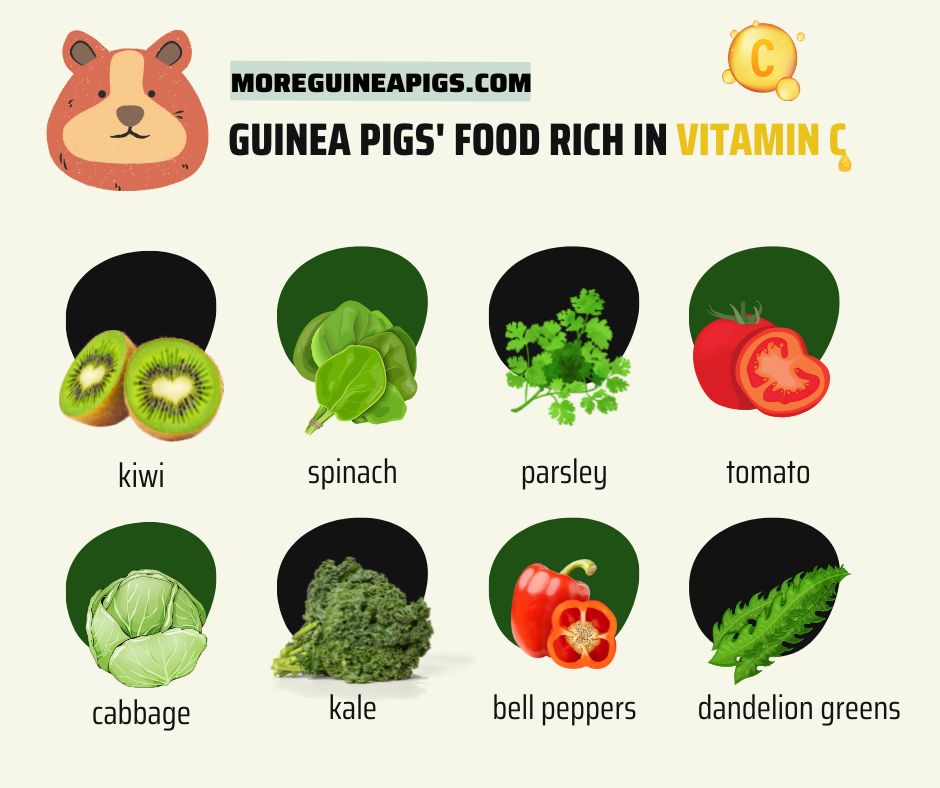
Guinea pigs benefit from a diet of fresh grass hay, such as timothy hay, in addition to food pellets, which are often based on timothy hay.Like humans, but unlike most other mammals, guinea pigs cannot synthesize vitamin C and must obtain this vital nutrient from food.
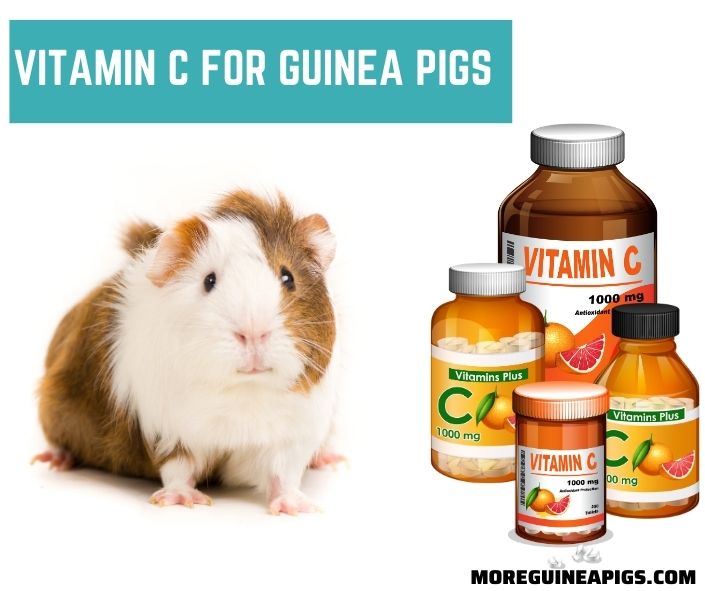
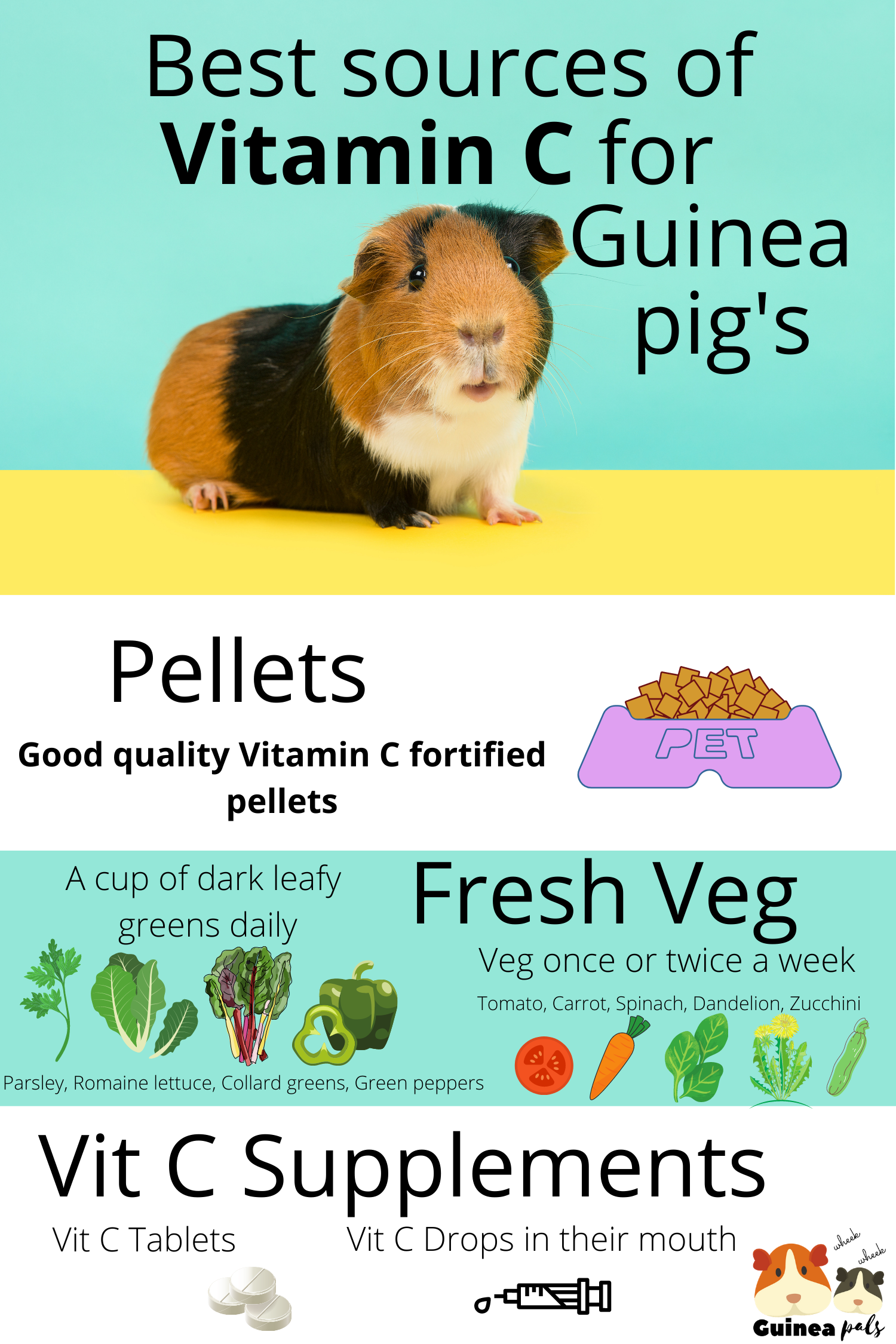
A guinea pig requires hay in its diet and vitamin C to survive.Vitamin C degrades quickly, so your guinea pig's main source should come from fresh vegetables and fruits provided daily. Additionally, vitamin C tablets are great ways to increase vitamin C intake on a daily basis.
Ensure your guinea pigs thrive with premium hay tailored to their dietary needs. Explore our high-quality hay selection, crafted to promote their health and happiness.

Preparation. Before your new guinea pig, or guinea pigs, arrive youll need to make sure that you have all the essentials ready for their care and utmost comfort. Youll need timothy hay, guinea pig pellets, vitamin c supplements, one water bottle per guinea pig...
For adult guinea pigs, timothy hay is the ideal primary forage for meeting daily guinea pig hay amount needs. Its high crude fiber content (typically 30 to 34 percent) promotes healthy gut motility, and its moderate calcium keeps urinary health in balance.
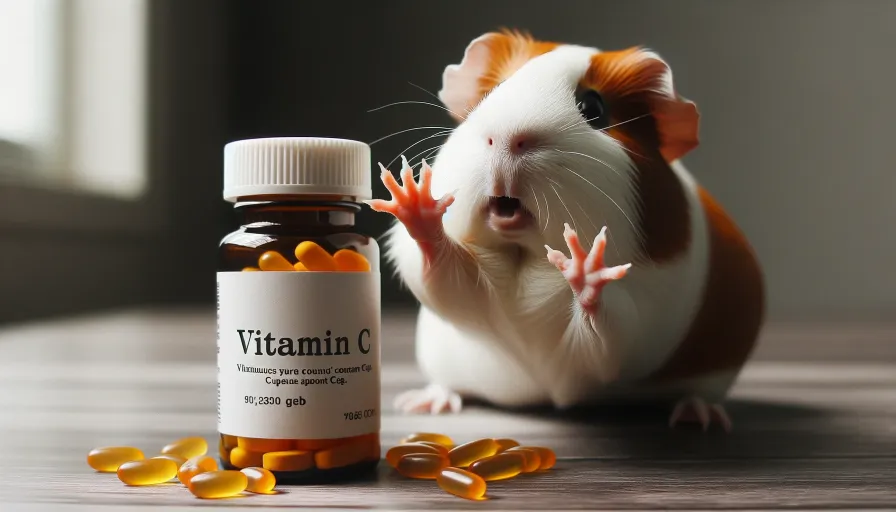
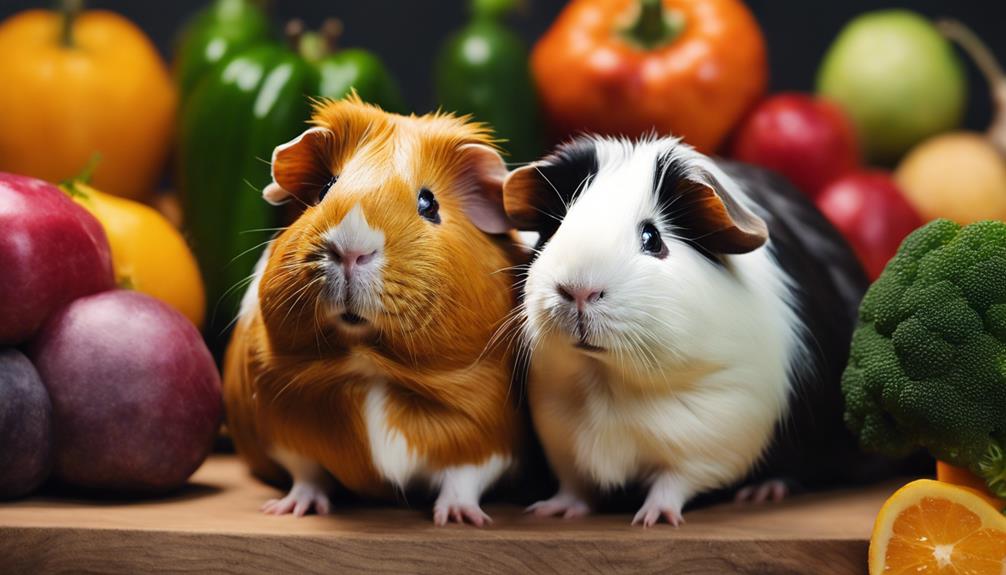
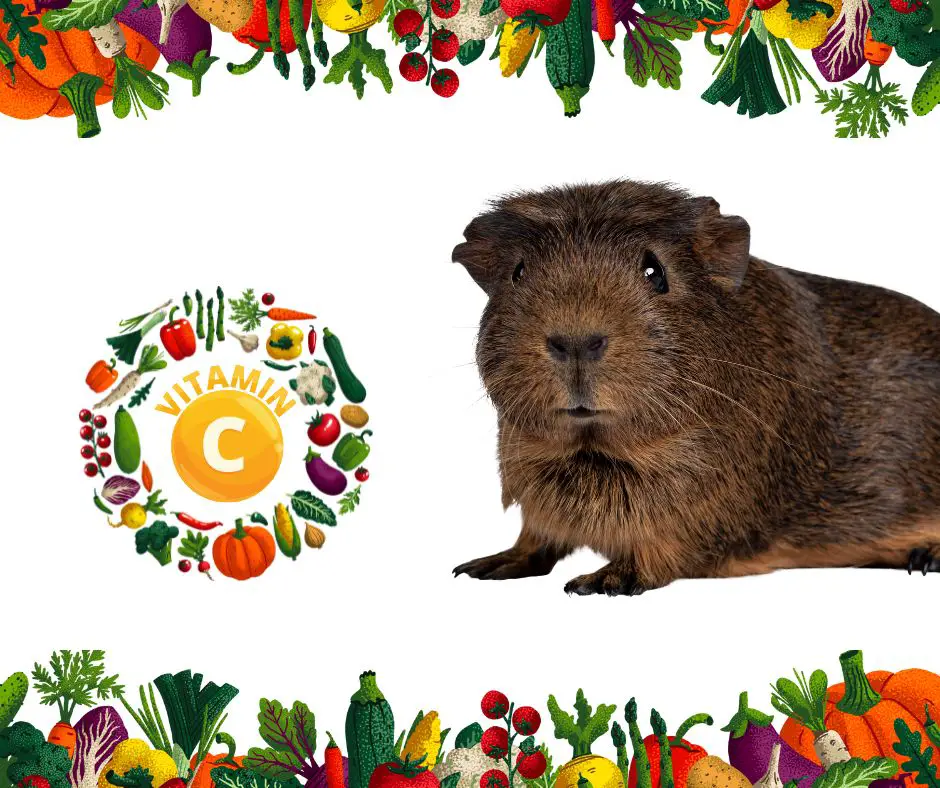
As we can see from the illustration, Guinea Pig Hay Requirements For Daily Vitamin C has many fascinating aspects to explore.
Vitamin C and Vitamin B complex are groups of vitamins that cannot be stored in a guinea pigs body, so they must have access to both daily. Complex B vitamins are absorbed through the process of coprophagy, the eating of caecal pellets.
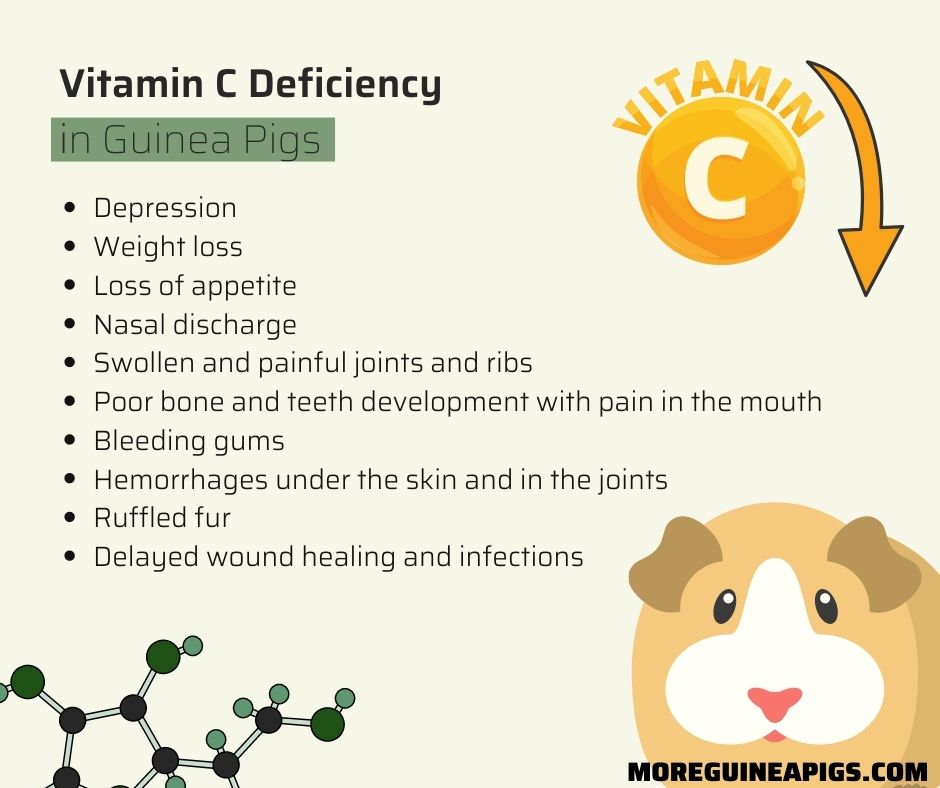
Guinea pig health concerns: Dental overgrowth, vitamin C deficiency, skin mites, and bladder stones.Ongoing Monthly Expenses. Food: Guinea pigs require a constant supply of fresh hay, which is a recurring cost. Their daily salad of fresh veggies also adds to your grocery bill.
Guinea pigs cannot produce this vitamin and require daily dietary sources. Calcium (120mg per 100g) Moderate level supports bone health.