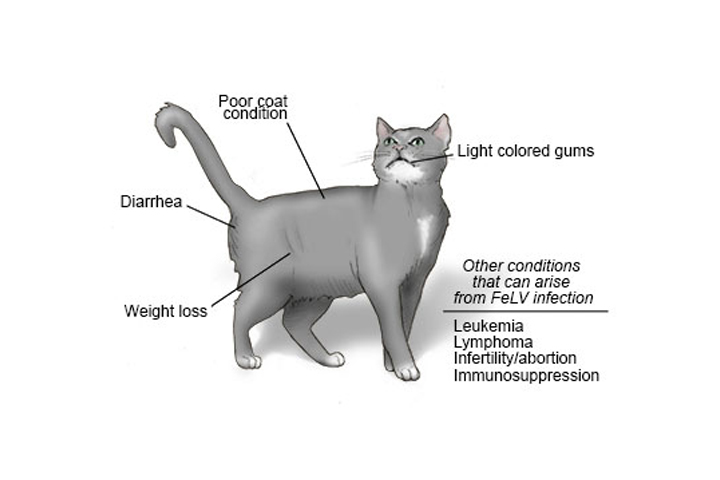
Discover how feline leukemia in cats spreads, its symptoms, and how to protect your cat through testing, vaccination, and early care.
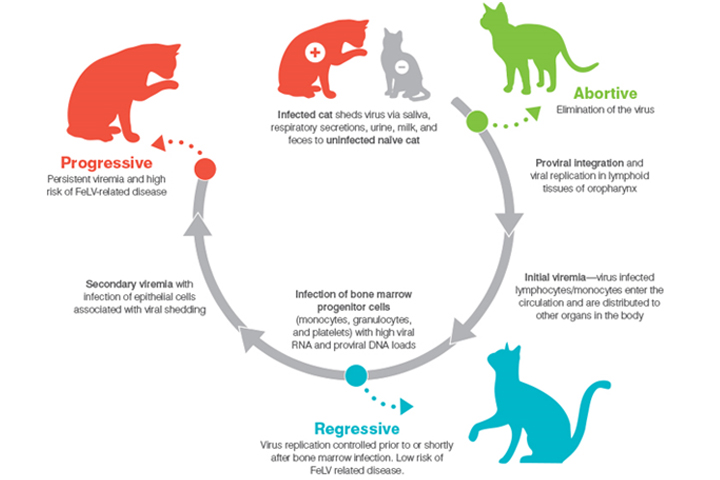
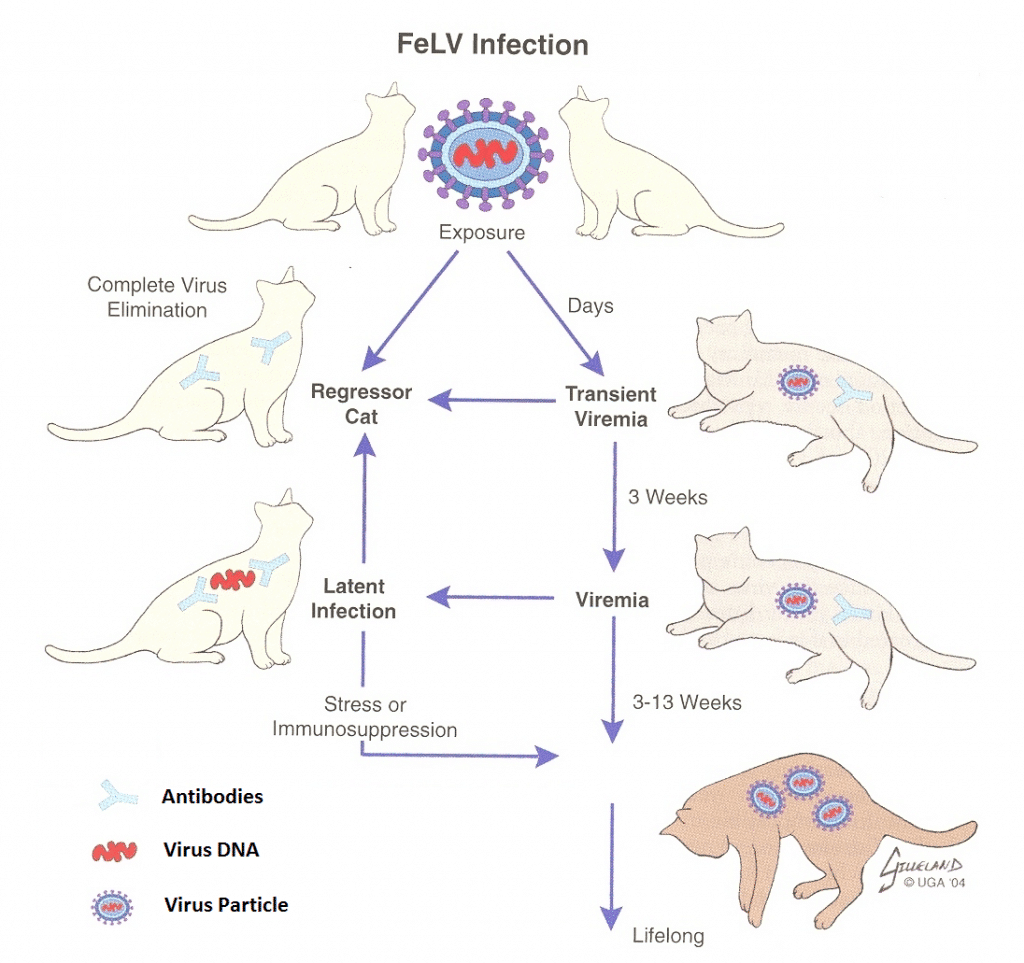
Feline leukemia virus is transmitted between cats via infected saliva and urine. Direct contact with these body fluids, mutual grooming, shared litter boxes and food dishes, and fighting (bite wounds) all expose uninfected cats to the virus.

Such details provide a deeper understanding and appreciation for Feline Leukemia Transmission Prevention For Mixed Breed Cat Owners.
Discover essential insights on feline leukemia (FeLV) every cat owner should know. Learn about the virus's signs, transmission, prevention strategies, and effective management to keep your cat healthy and happy. From recognizing symptoms and diagnostic tests to treatment options and vaccination benefits, ensure your feline friend thrives with expert guidance.
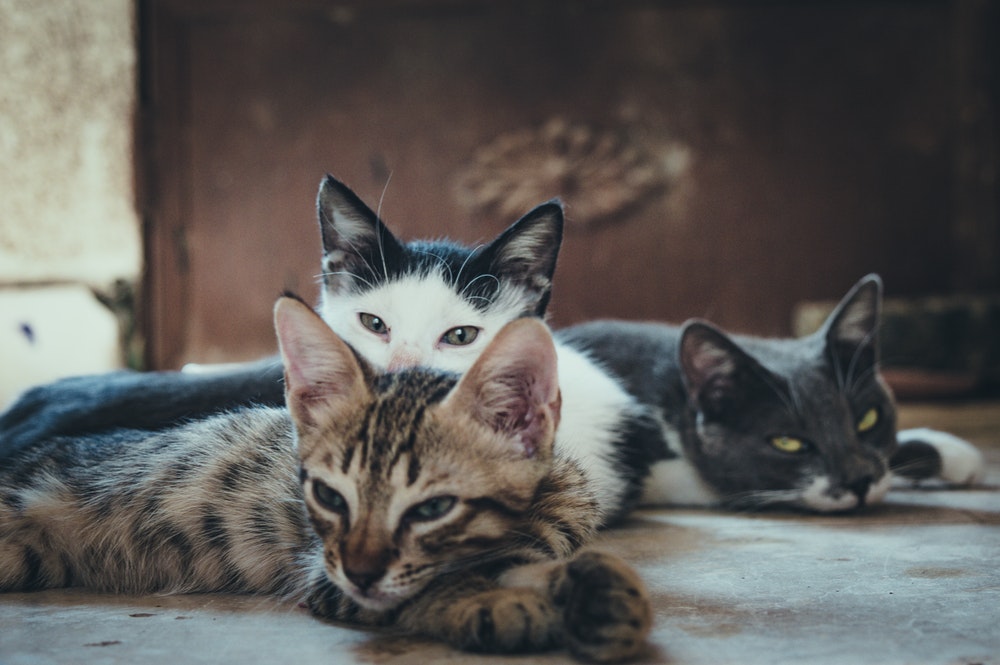
Feline leukemia virus (FeLV), due to its high transmissibility and pathogenicity, poses a significant challenge in cat population management. Building an effective prevention and control system requires a thorough understanding of its transmission pathways, along with the integrated use of testing, isolation, management, and vaccination to form ...

Risk factors for FeLV infection are mixed-breed, free ranging, male intact sex, living in multi-cat environments with five or more cats, originating from geographic areas with a high FeLV prevalence or from environments with progressively infected cats and lack of FeLV vaccination.