Feline leukemia virus is a retrovirus that infects cats. FeLV can be transmitted from infected cats when the transfer of saliva or nasal secretions is involved.
Feline immunodeficiency virus, or cat FIV, is a retrovirus infection first discovered in cats in the U.S. The virus is often referred to as cat HIV or cat AIDS because it has a similar effect on felines.
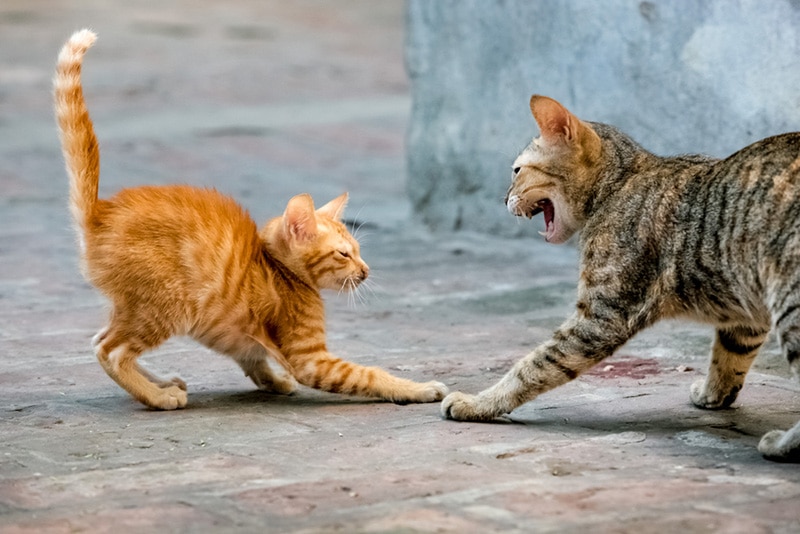
If your cat seems overly aggressive, there could be several reasons for his or her behavior. Learn more about the causes and types of feline aggression, and how you should respond.

Furthermore, visual representations like the one above help us fully grasp the concept of Causes Of Aggression In Kittens With Fiv.
(Photos by Mindy Valcarcel)Feline immunodeficiency virus (FIV) can be a scary diagnosis for cat owners, especially if they associate it with the human immunodeficiency virus (HIV) and AIDS.
Sudden aggression in cats can be worrying and confusing. Learn the common causes, warning signs, and ways to calm and manage aggressive behaviour safely.

Explore the causes of aggression, practical training techniques, and tips on creating a safe, enriching environment for your cat.
Aggression Ends the Game. My adult cats are helping teach Kirk, and I've been studying what they do. Spock, for example, is a big cat and when Kirk gets too rough, Spock will lie on top of Kirk, pinning him, until Kirk stops fighting.

As we can see from the illustration, Causes Of Aggression In Kittens With Fiv has many fascinating aspects to explore.
Recognising aggression for what it is a communication tool is the first step to reducing it and creating a safer, calmer home for both humans and felines. Causes of Aggression in Cats.